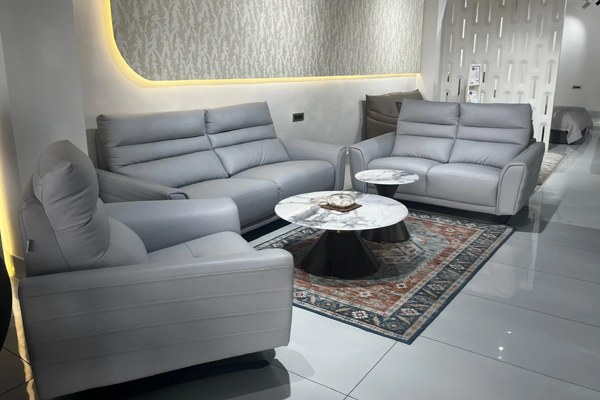
Residential Furniture
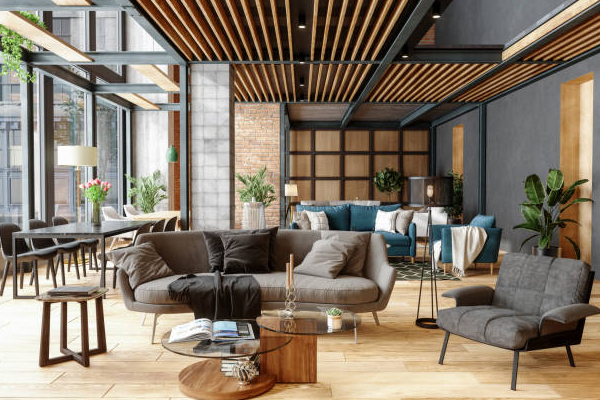
Residential furniture is designed for the home, prioritizing personal comfort, individual style, and long-term livability.
- Focus: Ergonomics for daily use (sleeping, eating, lounging) and
emotional resonance.
- Durability: Built to withstand the wear and tear of a single family.
It often uses "softer" materials like pine or rubberwood and
lighter-duty fabrics.
- Personalization: Highly varied to match specific room dimensions and
personal tastes (e.g., modular sectionals, heirloom-quality dressers).
- Categories: Bedroom (beds, nightstands), Living Room (sofas, coffee
tables), Dining (tables, sideboards), and Home Office.
Showroom Furniture
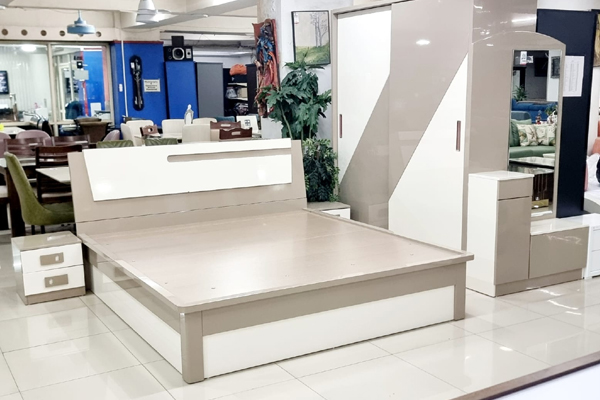
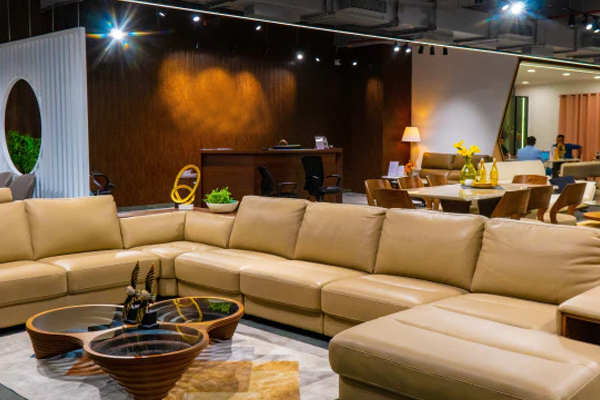
Showroom furniture refers to pieces displayed in retail or "trade-only" environments. These are often "floor models" or specialized displays intended to showcase the highest potential of a design.
- Focus: Visual impact, sensory experience, and brand identity. It is "staged"
to help a customer visualize a dream lifestyle.
- Construction: While it looks like home furniture, showroom pieces are
often handled by hundreds of people. High-end showrooms use "contract-grade"
or "commercial-grade" finishes (e.g., polyurethane coatings)
even on residential styles to prevent scratches during frequent viewing.
- Spatial Design: Showroom pieces are often part of a curated vignette,
where furniture, lighting, and decor are perfectly coordinated to create
a specific "mood" (e.g., Mid-Century Modern or "Quiet
Luxury").
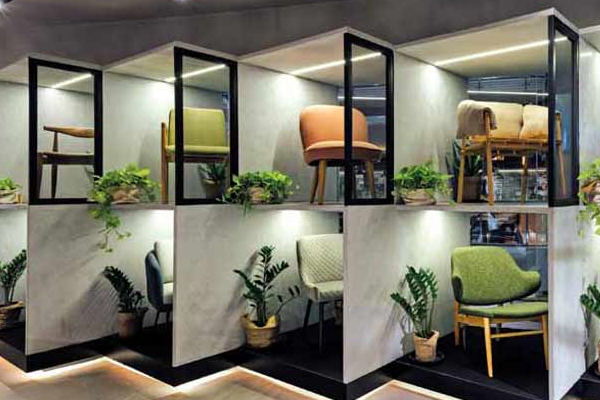
- Categories: Prototype designs, "Best-seller"
configurations, and display fixtures (pedestals or lighting towers) that
support the products being sold.