Core Categories
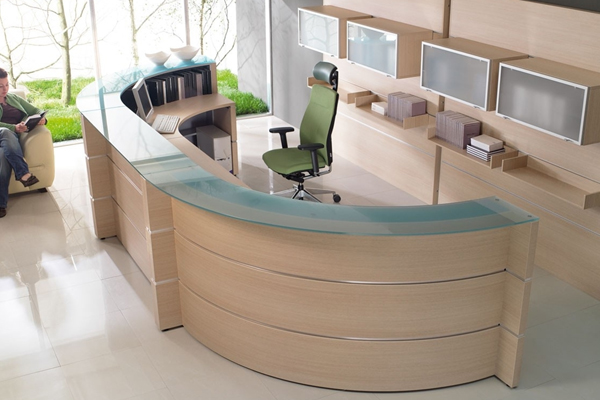
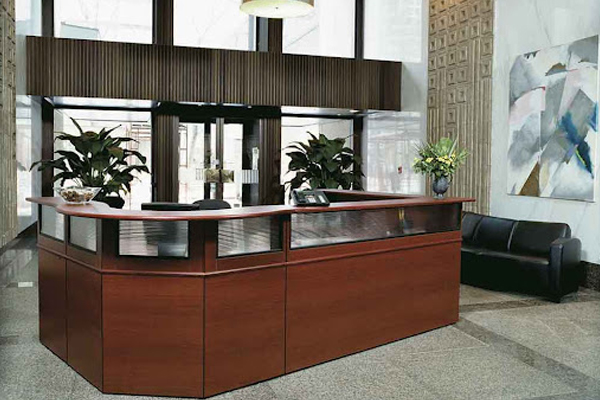
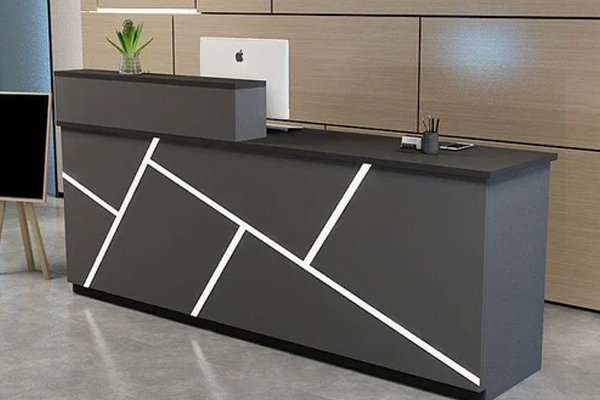
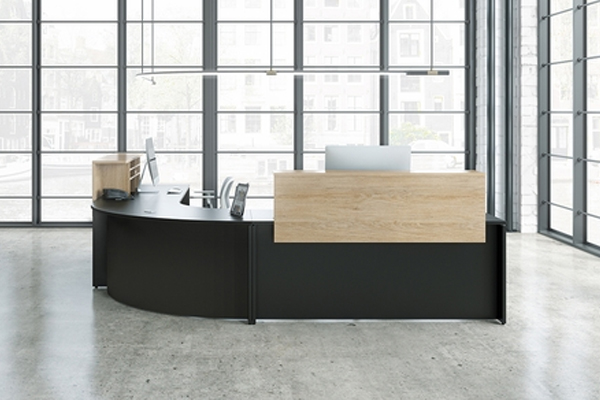
- Reception Desks: The central focal point. Designs vary from L-shaped
and U-shaped to curved or minimalist styles. They often feature a
two-tier design: a lower work surface for the staff and a higher "transaction
counter" for guests.
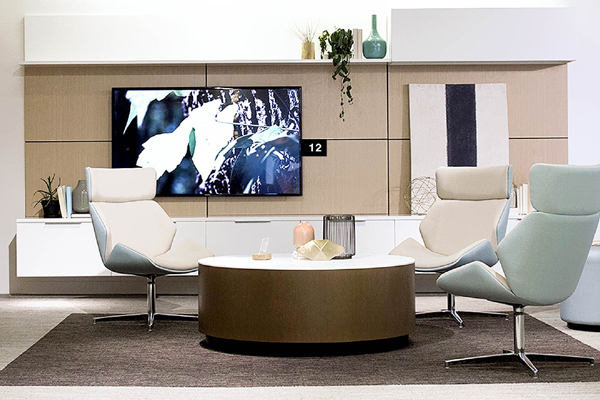
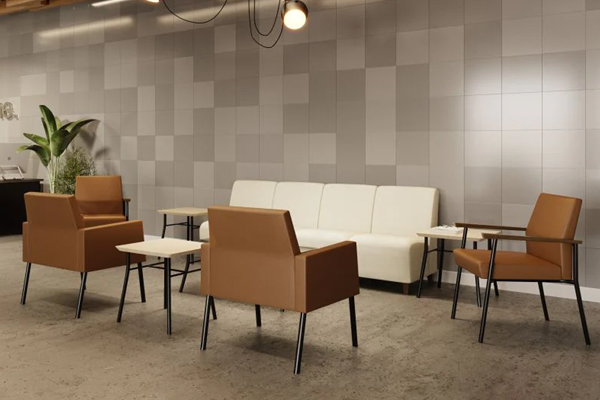
- Guest Seating: Options include modular sofas, tub chairs, armchairs,
and beam seating. The choice depends on the expected wait time and the
desired atmosphere (e.g., plush sofas for a "hospitality" feel
vs. firm chairs for high-turnover clinics).
- Occasional Tables: Coffee and end tables provide surfaces for reading
materials, lighting, or guest belongings, helping to define the "waiting
zone."
- Storage & Organization: Credenzas, lateral files, and literature
racks keep the area clutter-free. Modern units often include hidden
cable management to keep technology out of sight.
Essential Characteristics
A successful reception area balances high-end aesthetics with heavy-duty performance :
1. Brand Identity & Aesthetics
The furniture is often the first physical touchpoint for a client. A tech startup might use bold colors and modular, modern shapes, while a law firm might opt for traditional wood veneers and leather to project stability and trust.
2. Durability & Maintenance
Reception areas are high-traffic zones. Materials like high-pressure laminates (HPL), metal, and treated fabrics (or vinyl) are preferred because they withstand constant use and are easy to clean.
3. Technology Integration
Modern reception furniture often includes built-in USB charging ports, wireless charging pads for guests, and integrated power modules for receptionists to manage phones, computers, and security monitors without messy wiring.