Core Categories of Office Desking
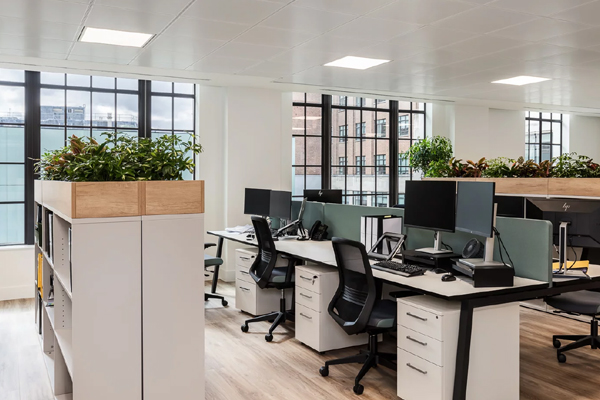
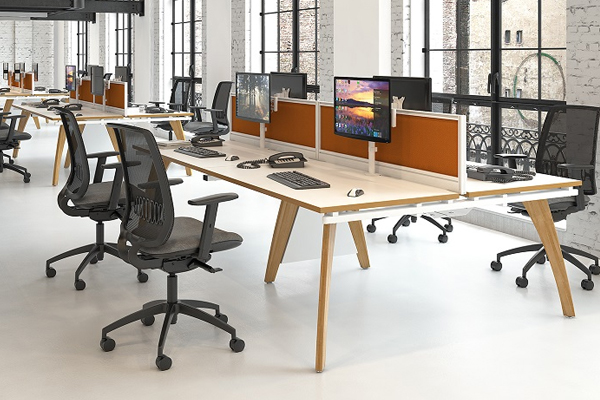
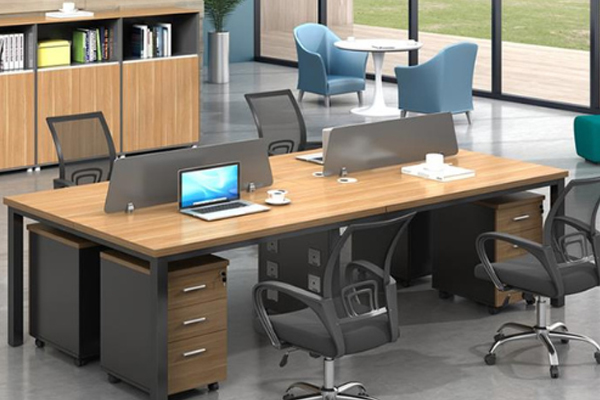
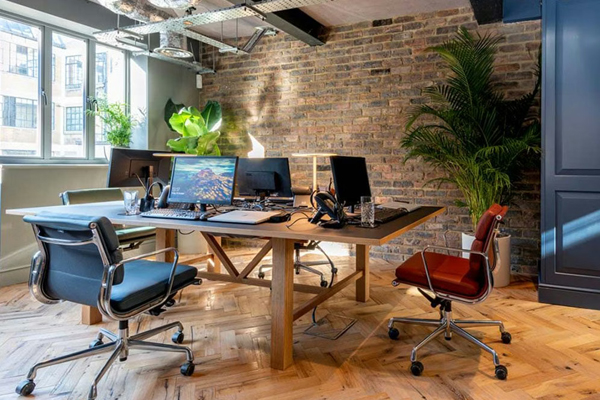
- Bench Desking: The standard for modern open-plan offices. Multiple
desktops share a single, long framework and set of legs. It is
space-efficient and facilitates easy communication between team members.
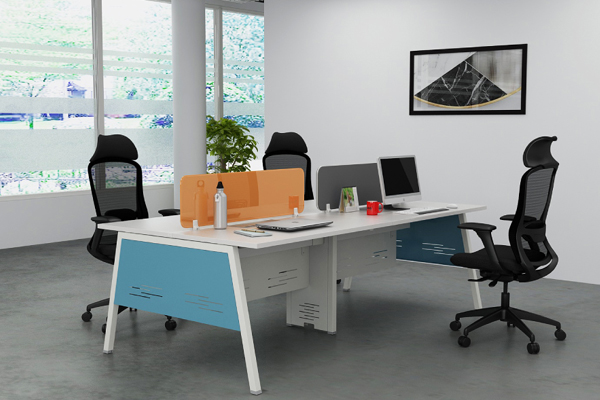
- Modular Workstations: These systems consist of individual "pods"
(like L-shapes or 120° "honeycomb" shapes) that can be
clustered together. They often include integrated privacy screens and
shared storage.
- Height-Adjustable (Sit-Stand) Desking: Workstations with electric or
manual lifts. This is now a standard requirement in many modern offices
to promote ergonomic health and movement.
- Executive Desking: High-end, standalone units designed for private
offices. These prioritize aesthetic prestige and often include extensive
"returns" (side surfaces) and built-in filing cabinets.
Critical Technical Features
Modern office desking is defined by its ability to manage technology and user comfort :
- Cable Management: Built-in "cable spines," "troughs,"
and "flip-top" ports to hide power and data wires.
- Integrated Power: Many systems now feature "plug-and-play"
power strips built directly into the desk frame.
- Acoustic Privacy: Vertical panels or "screens" attached to
the desk to absorb sound and provide visual privacy in busy
environments.
- Modularity: The ability to add or remove desks as a company grows
without replacing the entire system.